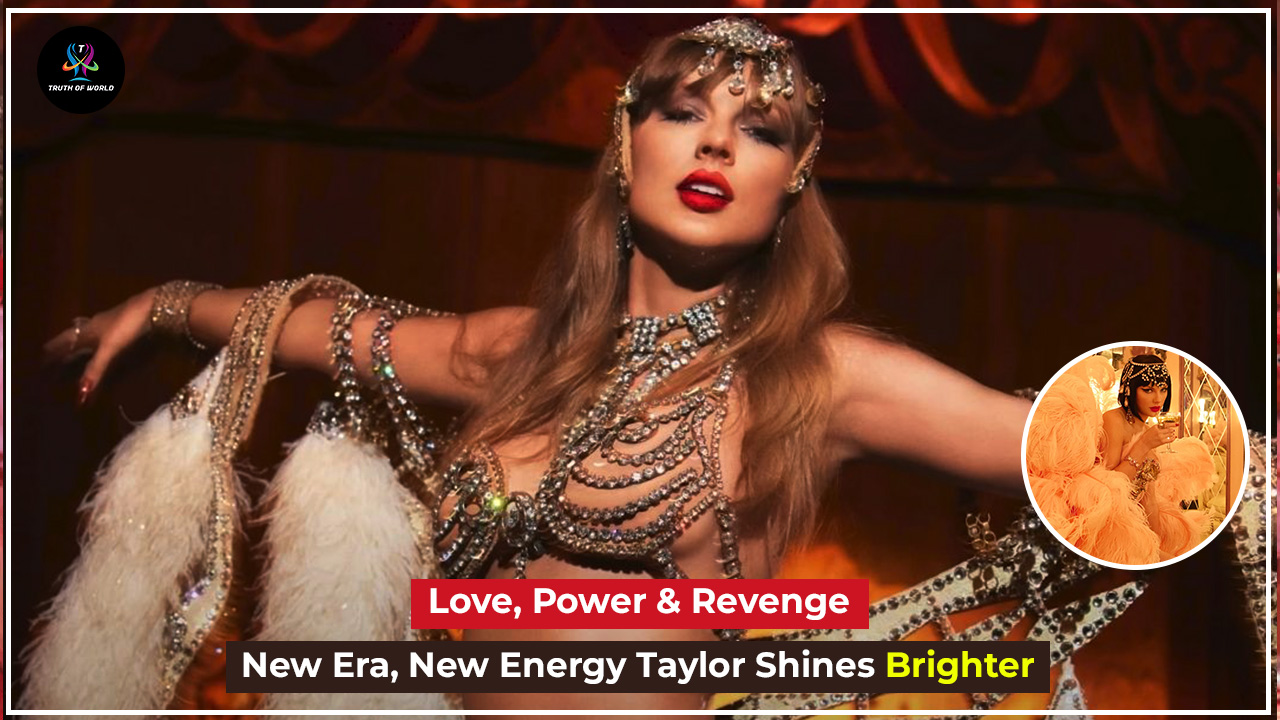
In the glittering spotlight of 2025, Taylor Swift once again proves she is more than a pop star — she is a storyteller of emotions, a voice of vulnerability, and a warrior of words. Her latest musical chapter, “Showgirl,” captures the thrill of falling in love, the ache of heartbreak, and the fiery satisfaction of confronting those who doubted her.
This album marks a defining moment in Swift’s journey one where romance dances hand-in-hand with rivalry, and fame meets fragility. Through “Showgirl,” Taylor doesn’t just perform; she bares her soul on a stage built from truth, transformation, and unapologetic self-expression.
The Meaning Behind ‘Showgirl’
The word Showgirl evokes images of glitter, grace, and grandeur. But for Taylor, it symbolizes something deeper the idea of a woman who performs her emotions in front of millions while holding her pain behind sequins and smiles.
In interviews, Swift has hinted that this record is her most “theatrical and personal” yet. The Showgirl is not just a performer she’s a survivor, an artist who turns every heartbreak, betrayal, and criticism into art.
Taylor’s “lust for love and her foes” is not a contradiction it’s a creative duality. She craves genuine connection but also thrives on proving herself to those who challenge her. This album, therefore, becomes a reflection of that tension beauty wrapped in boldness.
Act One: The Allure of Love
At the heart of Showgirl lies Taylor’s romantic soul dreamy, devoted, and daring. The opening tracks dive deep into affection, desire, and the dizzying high of being in love.
The album begins with a cinematic opener a slow, ethereal ballad that paints love as both comfort and chaos. With soft strings and whispery vocals, Taylor sings about finding peace in someone’s eyes while fearing the inevitable fall. The lyrics, “You were my calm in a crowded room,” echo her timeless ability to make the personal feel universal.
This upbeat track feels like a page out of 1989 bright synths, glittering beats, and lyrics that capture the rush of public romance. It’s about falling for someone under flashing lights and realizing that love, when lived in front of the world, is both thrilling and terrifying.
In one of her cleverest lines, she quips “They call it a stage, but it feels like home when you’re watching me.” Here, Taylor acknowledges the thin line between performance and reality a recurring theme across Showgirl.
“Opaline” brings tenderness with a touch of melancholy. It’s a song for dreamers and believers — a love that glows softly but fades too soon. Swift’s delicate vocals blend with shimmering piano keys as she reflects, “I learned love can be gentle, even when it leaves.” Through these tracks, Taylor invites listeners into her heart’s theater a place where passion takes center stage and every verse carries vulnerability.
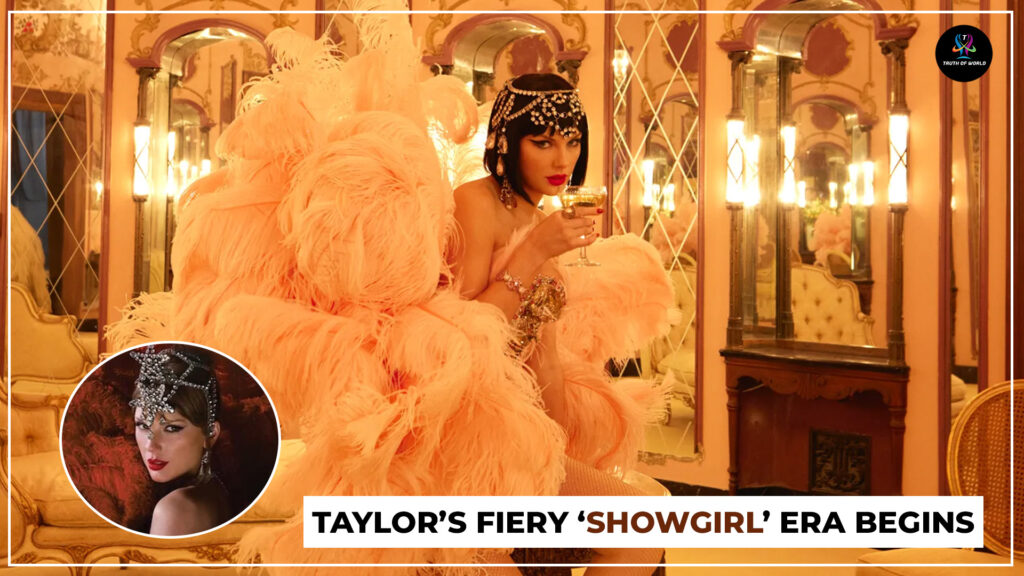
ct Two: Confrontation and Catharsis
Halfway through the album, the tone shifts. Love’s glow dims, and Swift begins to explore betrayal, jealousy, and vengeance. These songs reveal her resilience a woman who no longer hides behind heartbreak but uses it as a microphone.
This mid-tempo anthem tackles ego and rivalry a powerful reminder that fame and friendship don’t always mix. Swift’s lyrics bite without bitterness:
“You wore a crown made of compliments, but it fell when the truth hit.” The production swells with drums and electric guitars, signaling Taylor’s transition from lover to fighter.
Perhaps the most talked-about song, “Actually Romantic” stirred fan theories across social media. Many suspect it’s aimed at a fellow pop artist who once criticized her in interviews. But Taylor turns pettiness into poetry, singing:
“You said my love was fiction, now you’re quoting all my lines.” Instead of direct diss tracks, Swift prefers subtle storytelling letting her art speak louder than gossip.
In one of her boldest lyrical moments, Taylor addresses control, power, and independence. The song draws from personal and industry experiences mentors turned manipulators, allies turned adversaries.
Her line, “You taught me the script, now I’m writing the sequel,” is a defiant declaration of self-liberation. “Father Figure” cements Swift as an artist who no longer seeks approval; she commands respect.
Act Three: Rebirth Through Reflection
By the final act, Taylor emerges not as a victim or villain but as a visionary. The closing songs balance introspection with hope, reminding listeners that every ending hides a beginning. “Mirror Stage” reflects Taylor’s journey of self-acceptance. Over haunting piano chords, she admits, Every role I played, I played for me.”
It’s a confession and a revelation the realization that performing her truth was never fake; it was survival. The album’s finale, “Encore,” bursts with optimism. It’s Taylor thanking her audience — not just fans, but every person who doubted, hurt, or inspired her.
She sings:
“They wanted my silence, but I gave them a song.”
As the track fades into soft applause, it feels like the curtain closing on one era and opening on another.
The Music Behind the Magic
Showgirl shines because of its intricate production. Working again with longtime collaborators Jack Antonoff and Aaron Dessner, Taylor blends cinematic orchestration with sleek pop sensibilities. The sound palette is rich violins, brass, synth layers, and subtle electronic textures. It feels like Broadway met Folklore and decided to go on a world tour. Each track transitions seamlessly, creating the feeling of a live performance one where laughter, tears, and applause coexist.
The Critics Speak
Music critics have hailed Showgirl as one of Taylor’s most ambitious works.
Rolling Stone called it “a dazzling self-portrait painted in gold and scars.”
Billboard praised her lyricism, saying, “Swift turns rivalry into renaissance.” Even casual listeners notice how emotionally transparent the record feels confident yet soft, glamorous yet grounded. For fans, Showgirl isn’t just an album; it’s a mirror. It reflects the struggles of anyone balancing love, work, and self-worth in a judgmental world.
The Message Behind the Music
At its core, Showgirl is about embracing contradictions. It’s about loving deeply while standing firmly. It’s about forgiving without forgetting. Taylor proves that women in pop don’t need to choose between softness and strength they can embody both. The album celebrates complexity the kind of emotional honesty that defines her career. Her “lust for love and her foes” isn’t vanity; it’s vulnerability turned weapon. Swift is saying: You can hurt me, but you can’t silence me.
The Showgirl Legacy
In many ways, Showgirl is Taylor’s full-circle moment. It blends the confessional writing of Red, the sparkle of 1989, the grit of Reputation, and the introspection of Folklore. But what makes this era distinct is ownership she’s not reacting anymore; she’s creating on her own terms. Taylor Swift, once the girl writing in her diary, is now the woman writing her destiny.
“Showgirl” is not just another Taylor Swift album it’s a stage play in sound, a diary in disco lights, a story where love and power waltz in perfect sync. It captures what makes Swift an icon: her ability to turn personal chaos into poetic clarity. In a world quick to label women as too emotional or too ambitious, Taylor sings back with grace proving that being a Showgirl doesn’t mean faking; it means fearlessly being seen.