In a further sign of the fragile peace process between Israel and Hamas, Israel confirmed on Saturday that it has received the remains of two more individuals whom Hamas claims were among hostages taken from Israel. The hand-over of the coffins, facilitated via the International Committee of the Red Cross (ICRC), raises both hope and tension: hope for the families of missing persons, but tension over compliance with the broader cease-fire agreement and related humanitarian issues.
According to official statements from the Israeli Prime Minister’s Office and the Defence Forces, two caskets brought by the Red Cross from southern Gaza were received and handed over to Israeli officials for forensic examination. The two bodies are claimed by Hamas to belong to hostages taken during or after the October 7, 2023 attacks, though their identities have not yet been confirmed publicly.
Israeli authorities stated that the remains will undergo DNA testing at the Abu Kabir Forensic Institute in Tel Aviv before the families can be notified. Meanwhile, the receipt of the bodies is tied to other components of the cease-fire deal, including the reopening of the Rafah border crossing and the release of Palestinian bodies and prisoners.
Background: The cease-fire deal and hostage‐body exchange
The hostages-and-remains issue forms a central pillar of the current truce between Israel and Hamas. Under the US-brokered framework, Hamas agreed to return the bodies of 28 deceased hostages, while Israel committed to releasing a number of Palestinian prisoners and facilitating humanitarian aid and access to Gaza.
Until now, several remains have been handed over though Israel and independent media report that the number is still far below the full 28. For instance, one body previously returned was found not to match known hostage records, raising questions about verification and compliance.
On the Palestinian side, Israel has similarly returned hundreds of Palestinian bodies and released detainees, indicating that the exchange is multi-directional and tied to broader cease-fire and humanitarian arrangements.
For many Israeli families of missing hostages, these latest returns bring a measure of closure particularly for those who have lived for months or years without confirmation about their loved ones’ fate. Yet the mood remains guarded: Israeli officials have warned that the rest of the bodies must be returned in full, or the deal may unravel.
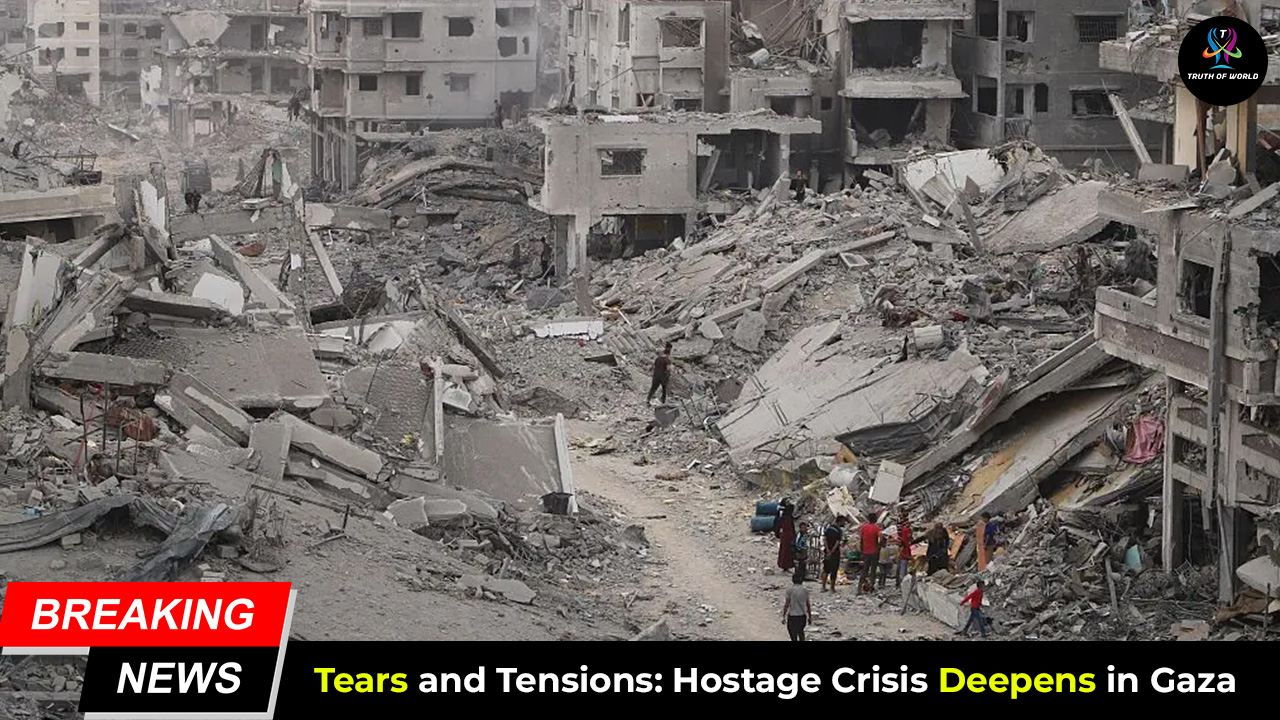
From the Hamas side, the group has cited logistical and security challenges including destroyed infrastructure in Gaza and intensive Israeli military operations as reasons for delays in locating and returning all bodies.
Regionally and internationally, the handover is being watched closely. The reopening of the Rafah border crossing, humanitarian aid delivery to Gaza, and overall stability in the enclave are seen as closely tied to how swiftly and fully the body returns and other deal commitments are honoured.
What remains unclear
- The identities of the two bodies have not been officially released. Israeli authorities are still in the process of forensic identification.
- The total number of bodies still held by Hamas (beyond those returned) remains disputed.
- Whether the return of these two bodies will trigger the next phase of the cease-fire agreement namely a reopening of the Rafah crossing and further aid flows remains uncertain.
- Whether delays or non-compliance by either side will lead to a breakdown of the cease-fire terms. Israel has threatened to resume military operations if terms are not met.
- The condition in which the bodies were held, and whether there are conditions (buried under rubble, inaccessible areas) that hamper full compliance.
Why this matters
While the return of deceased hostages may seem like a grim detail, it carries profound significance:
- Humanitarian closure: For families of the missing, having remains returned allows burial rites, mourning, and emotional closure.
- Symbolic trust‐building: The exchange process is a litmus test of whether the cease-fire agreement can hold. Delays or failures undermine trust and threaten to reignite violence.
- Link to broader peace and aid efforts: The hostages and bodies issue is tied to access for aid into Gaza, the opening of border crossings, and the broader post-war stability and reconstruction of Gaza.
- Legal and moral dimension: The conflict involves international law aspects hostages, war captives, deceased persons and how they are treated affects reputations and may impact future negotiation.
Looking ahead
In the coming days and weeks, key developments to watch will include:
- A formal announcement of the identities of the two returned bodies and whether they are confirmed hostages.
- Whether Israel will reopen the Rafah crossing or ease other restrictions contingent on further compliance by Hamas.
- Whether Hamas will announce additional returns of living hostages or bodies, and the pace of that process.
- Whether either side will issue warnings or take actions in response to perceived failures (for example, Israel resuming strikes or Hamas taking retaliatory steps).
- Whether the broader peace agreement will move into a next stage, including reconstruction aid, prisoner releases, or demilitarisation discussions.
The return of the two bodies marks yet another chapter in the wrenching human saga behind the headlines of the Israel-Hamas conflict. For Israeli families it is a small, heavy step toward closure; for the broader region it is a delicate test of whether negotiated peace can outlast war. The coming days will show whether this exchange helps stabilise the cease-fire or becomes yet another point of breakdown.



One thought on “Israel Receives Two Bodies That Hamas Says Are Deceased Hostages Ceasefire Strain Continues”