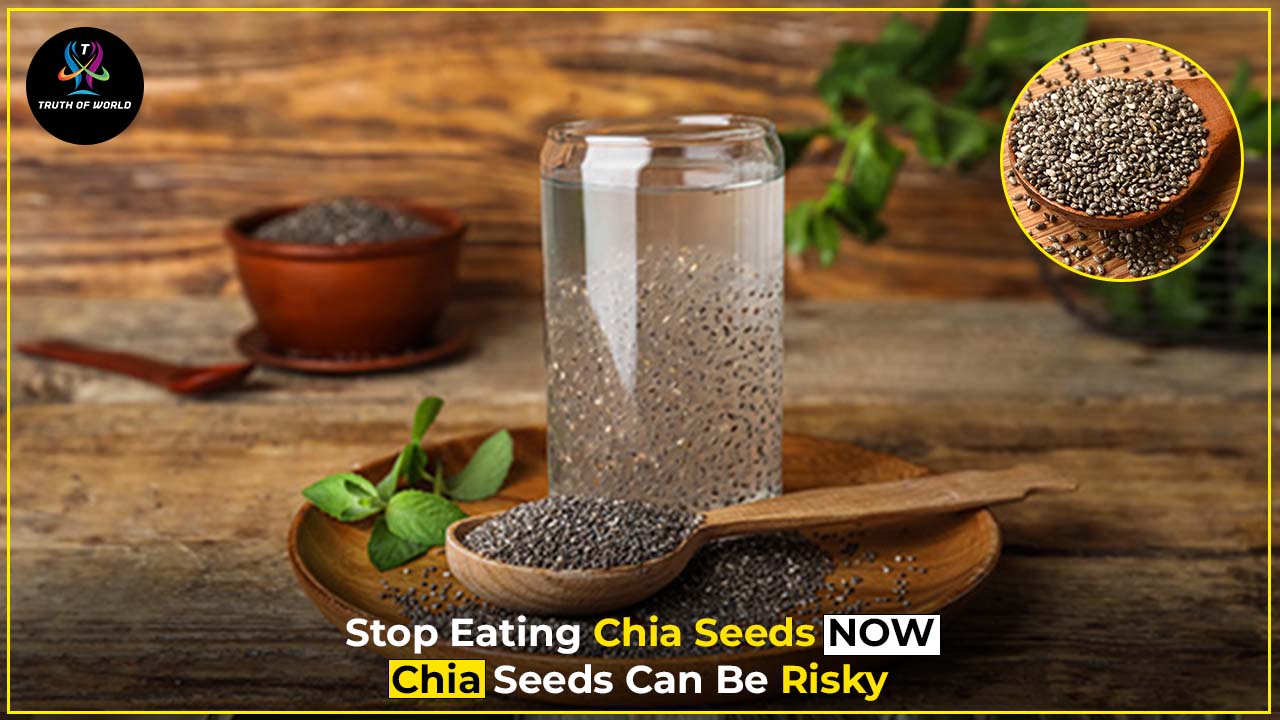
In recent years, chia seeds have earned booming popularity in wellness and nutrition circles. Packed with fibre, plant-based protein, omega-3 fatty acids and various micronutrients, they’re often lauded as a “superfood” you should just sprinkle into your smoothie or breakfast bowl and get on with your day.
However, a cautionary note is now ringing loudly. According to Dr Shubham Vatsya, gastroenterologist & hepatologist at Fortis Hospital, Vasant Kunj, Delhi, chia seeds are not a one-size-fits-all health food. His message: if you have certain health conditions, you might want to avoid chia seeds — or at least consume them with care.
In this article, we explore the full picture: the benefits of chia seeds, the specific warnings raised by Dr Vatsya, who should steer clear of them (or use caution), how to consume them safely, and how this matters for consumers in India. The article is written in a clear, human-friendly way, with SEO-friendly structure, so you can understand the risks and benefits and act accordingly.
Why chia seeds got the “superfood” badge
Before diving into the warnings, it’s useful to understand why chia seeds became popular in the first place. Some of the features:
- They are rich in dietary fibre, which helps support digestion and can contribute to a feeling of fullness.
- They provide plant-based protein and contain all nine essential amino acids (for many varieties), making them a good pick especially for vegetarians/vegans.
- They contain alpha-linolenic acid (ALA), a plant-based omega-3 fatty acid, which is linked with anti-inflammatory and cardiovascular benefits.
- They also provide micronutrients such as calcium, magnesium, phosphorus and antioxidants.
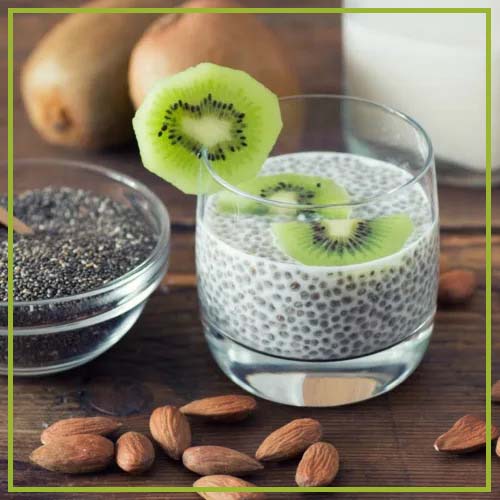
- Because of all this, many nutritionists promote them as a handy ingredient: sprinkle on yoghurt, add into smoothies or make a pudding by soaking them in milk or plant-milk.
So far, so good. If you’re healthy and consuming them well, the benefits are likely real. But as is true in nutrition: context matters.
The alert from Fortis Delhi – Who should be cautious & why
Who raised the warning
Dr Shubham Vatsya of Fortis Hospital flagged that although chia seeds are trending, they are not for everyone.
What exactly did he warn about?
Here are the key risk-scenarios he flagged:
- People with low or uncontrolled blood pressure / already on antihypertensives: Because chia seeds contain substantial potassium and omega-3s, they may further lower blood pressure in someone already with low BP — potentially causing dizziness, weakness or fatigue.
- People on blood-thinning medication (for example aspirin or other anticoagulants): The omega-3 content in chia seeds may enhance the blood-thinning effect, which can increase the risk of bleeding. Dr Vatsya warned of this interaction.
- Individuals with digestive / gut issues (such as bloating, gas, Irritable Bowel Syndrome (IBS), or other GI discomforts): Chia seeds, especially if not properly prepared, can worsen cramps, gas and discomfort.
- People with kidney disease / impaired kidney function: Because chia seeds carry high levels of potassium, phosphorus and possibly oxalates (depending on source), they may burden the kidneys or contribute to kidney‐stone risk in susceptible individuals. For such patients, Dr Vatsya advised avoidance.
- Those eating chia seeds improperly (dry or without enough water): While not the exact primary focus of Dr Vatsya’s statement, other medical sources (related but separate) show that eating dry chia seeds which then absorb fluid inside the throat or oesophagus can lead to obstruction or choking.
What this means for you assessing risk & making a decision
If you’re someone who consumes chia seeds (or planning to), ask yourself:
- Do I have low blood pressure (or use meds for blood pressure) or experience light-headedness when BP drops?
- Am I already on blood thinners / anticoagulants or have bleeding risk conditions?
- Do I have known kidney disease, low kidney-function, or a history of kidney stones?
- Do I suffer from digestive disorders like IBS, frequent bloating/gas, or have had issues with high fibre / seeds in the past?
- Do I know how to properly consume chia seeds (e.g., soaked, with sufficient fluid) or do I just sprinkle them dry and go?
If your answer to any of the first four questions is yes, you may need to either avoid chia seeds or consume them only under medical supervision (after consulting your doctor). If your digestive system is sensitive or you have any of the listed conditions, caution is wise.
If you answered no to all, chia seeds may still be a useful addition—but even then, proper use is key (more on that next).
How to consume chia seeds safely (and enjoy their benefits)
To get the benefits and minimise the risks, follow these practical guidelines:
- Start with a small amount: Don’t go wild from day one. For example, 1–2 tablespoons (about 15–30 g) per day is a reasonable starting point. Dr Vatsya specifically advised 1–2 tablespoons per day with plenty of water.
- Soak the seeds or consume them in a moist medium: Don’t just sprinkle dry chia seeds and eat them like that. Because they absorb many times their weight in liquid, they expand. If dry, they might absorb fluids inside your throat or stomach, potentially causing discomfort or even (rarely) choking or blockage. Other medical sources emphasise soaking for 15–30 minutes or overnight in water, milk, yoghurt etc.
- Drink adequate water with the seeds: Especially important if you consume them in a semi-dry formwater helps the fibre work, helps prevent constipation, ensures the seeds don’t “draw” fluid from somewhere they shouldn’t.
- Balance with your overall diet: Don’t assume chia seeds “cover everything”. They are a supplement, not a replacement for fruits, vegetables, whole grains. Also: if your diet is already high in potassium, phosphorus (from other sources) and you have kidney issues, adding seeds may tip you over.
- If you have a medical condition, consult your doctor or dietitian: Especially if you fall under the caution categories: low blood pressure, on blood-thinners, kidney disease, gut disorders. Let a healthcare professional help you decide whether the benefit outweighs the risk, and what portion is safe.
- Monitor your body’s response: If you start consuming chia seeds and find new issues like increased bloating, stomach cramps, a drop in blood pressure (feeling dizzy), or bleeding/bruising, stop and consult your doctor.
Why this caution is particularly relevant for India
While these concerns are globally valid, there are some India-specific considerations:
- Many Indian diets already include high levels of certain minerals like potassium and phosphorus (from legumes, dairy, etc). For someone with emerging kidney issues or low awareness, adding seeds may silently elevate levels beyond safe limits.
- Healthcare follow-up may be less frequent in some parts; people may assume “superfood = safe for everyone”, so warnings like this from a major hospital help raise awareness.
- Indian lifestyle often includes high-fibre “trends” (sprinkles, smoothies, etc) without proper hydrationso seeds that expand may cause more discomfort in GI systems not used to such loads.
- The “one-size-fits-all” mindset of superfoods often ignores underlying chronic conditions like hypertension, kidney disease, gut disorders which are increasingly common in India. So tailored advice is critical.
Key take-aways (in a nutshell)
- Chia seeds have genuine health benefits—but they are not risk-free, especially for certain groups.
- According to Dr Vatsya of Fortis Hospital Delhi: people with low BP, on blood-thinners, with gut diseases, or kidney problems should either avoid or be cautious with chia seeds.
- Safe consumption matters: start small, soak them or consume with ample liquid, monitor how your body reacts.
- If you have any of the listed medical conditions, consult your doctor before adding chia seeds regularly.
- For healthy individuals, chia seeds can be part of a balanced diet—but they should never replace core healthy habits like eating whole foods, staying hydrated, regular exercise and routine check-ups.
Final word
Superfoods are appealing because they promise “extra health” with little effort. But the truth remains: context, individual health and preparation matter. The warning from Fortis Hospital’s gastroenterologist is a timely reminder that even tiny seeds can cause big problems if mis-used or used by someone whose body isn’t suited for them.
So next time you pick up a jar of chia seeds, pause and ask: Am I the person they are good for – or could I be the one they are risky for? Use them wisely, stay informed, keep your body in mind and you’ll turn a trend-food into a safe, smart addition.
Disclaimer: This article is for informational purposes only and does not substitute for professional medical advice. If you have underlying health conditions or are on medication, always consult your physician or a registered dietitian before making dietary changes.